
A New Era in Vibration Analysis
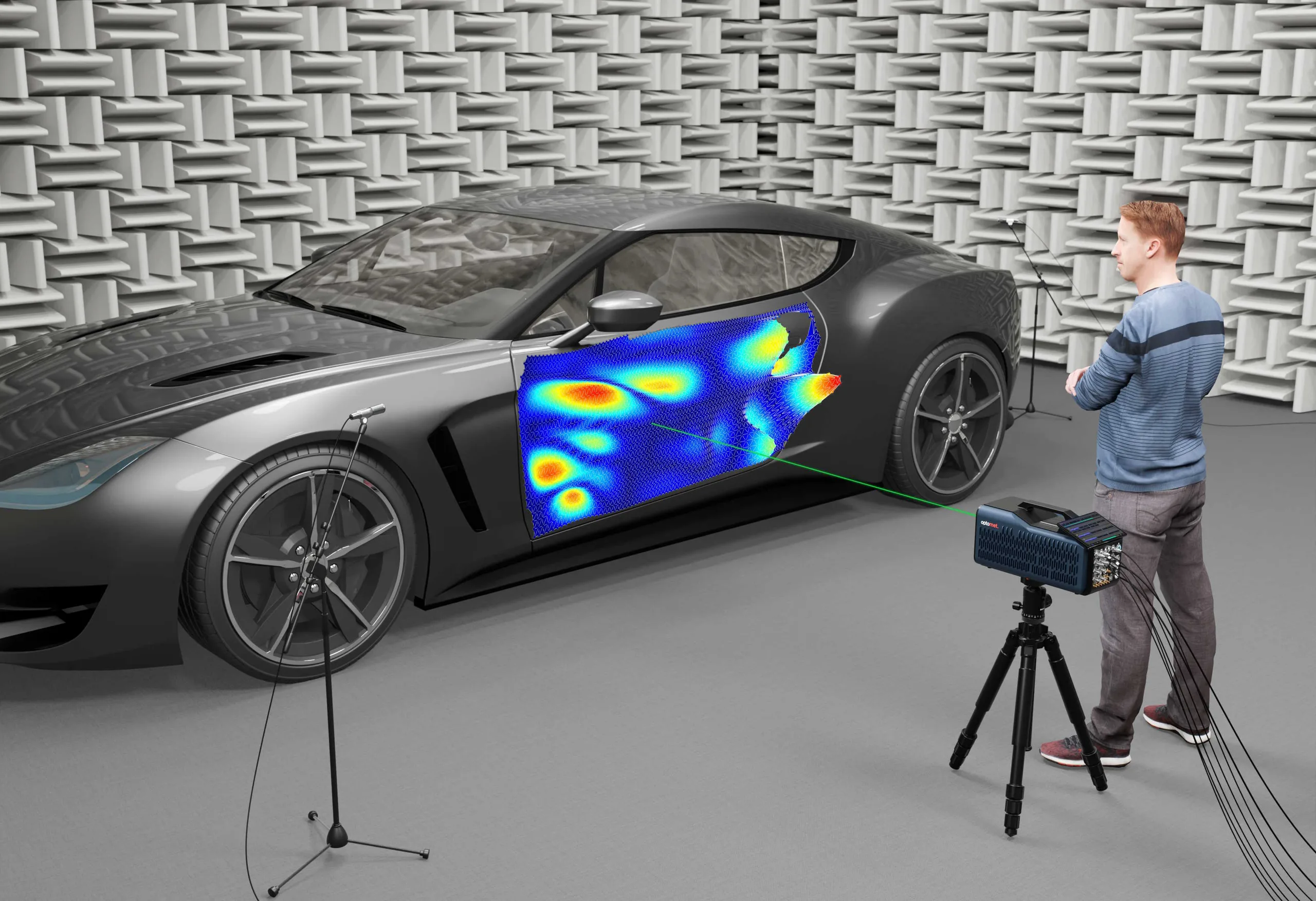
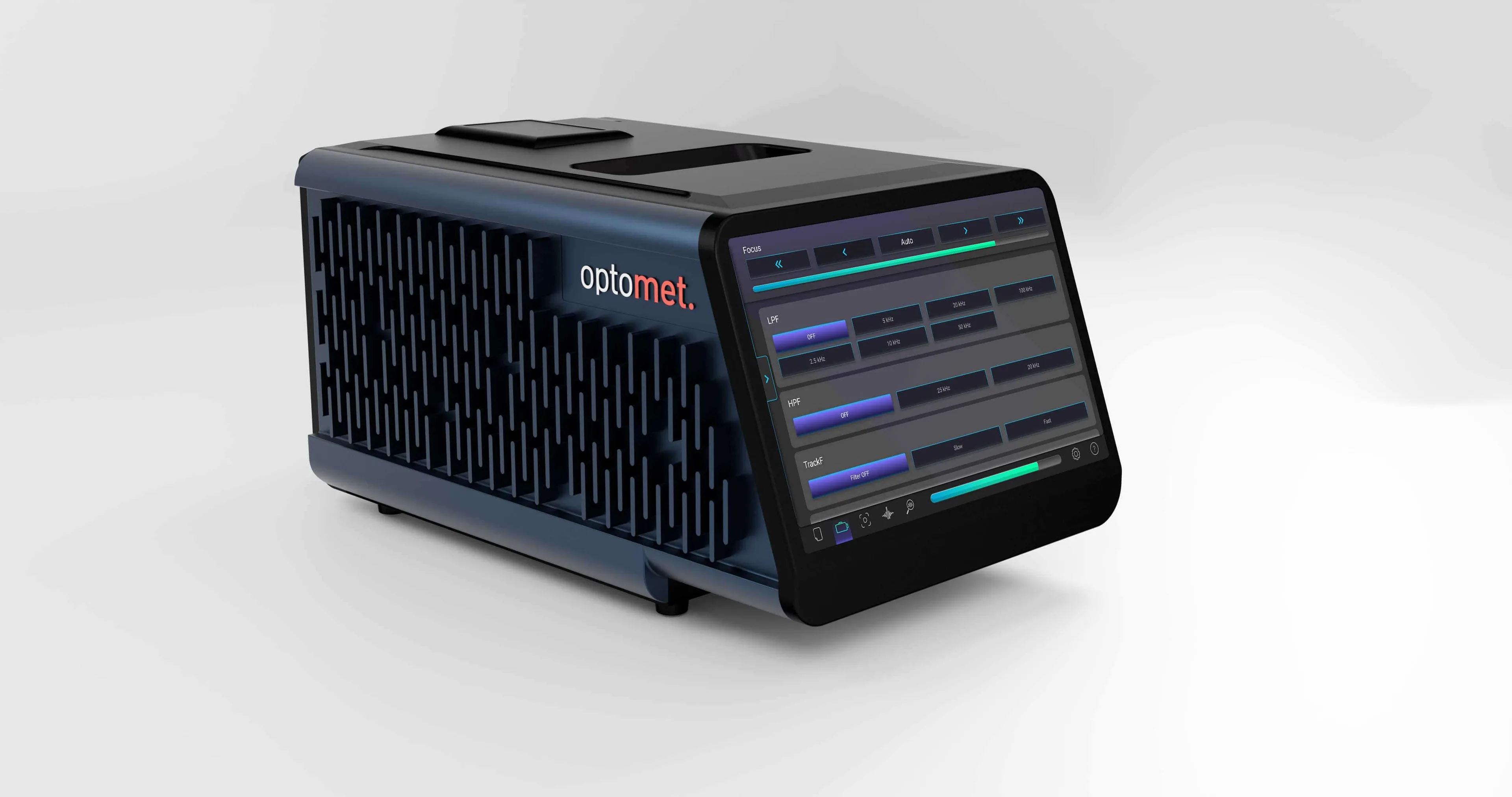
The SMART Scan+ combines an integrated scanning laser Doppler vibrometer with a powerful signal generator for high-precision, non-contact measurement and analysis of surface vibrations. With intuitive software, versatile interfaces, and an integrated 7-inch touchscreen, the system delivers maximum flexibility and precise measurement results for demanding vibration analysis applications.
01
Intuitive Software
Our software was designed with the user in mind and integrates the SMART Scan+ seamlessly into your measurement workflow. It features an intuitive user interface that simplifies complex measurements. Its workflow-oriented layout provides a user-friendly experience without compromising functionality, facilitating the efficient acquisition and analysis of vibration data.

02
Non-Contact Reference Measurements
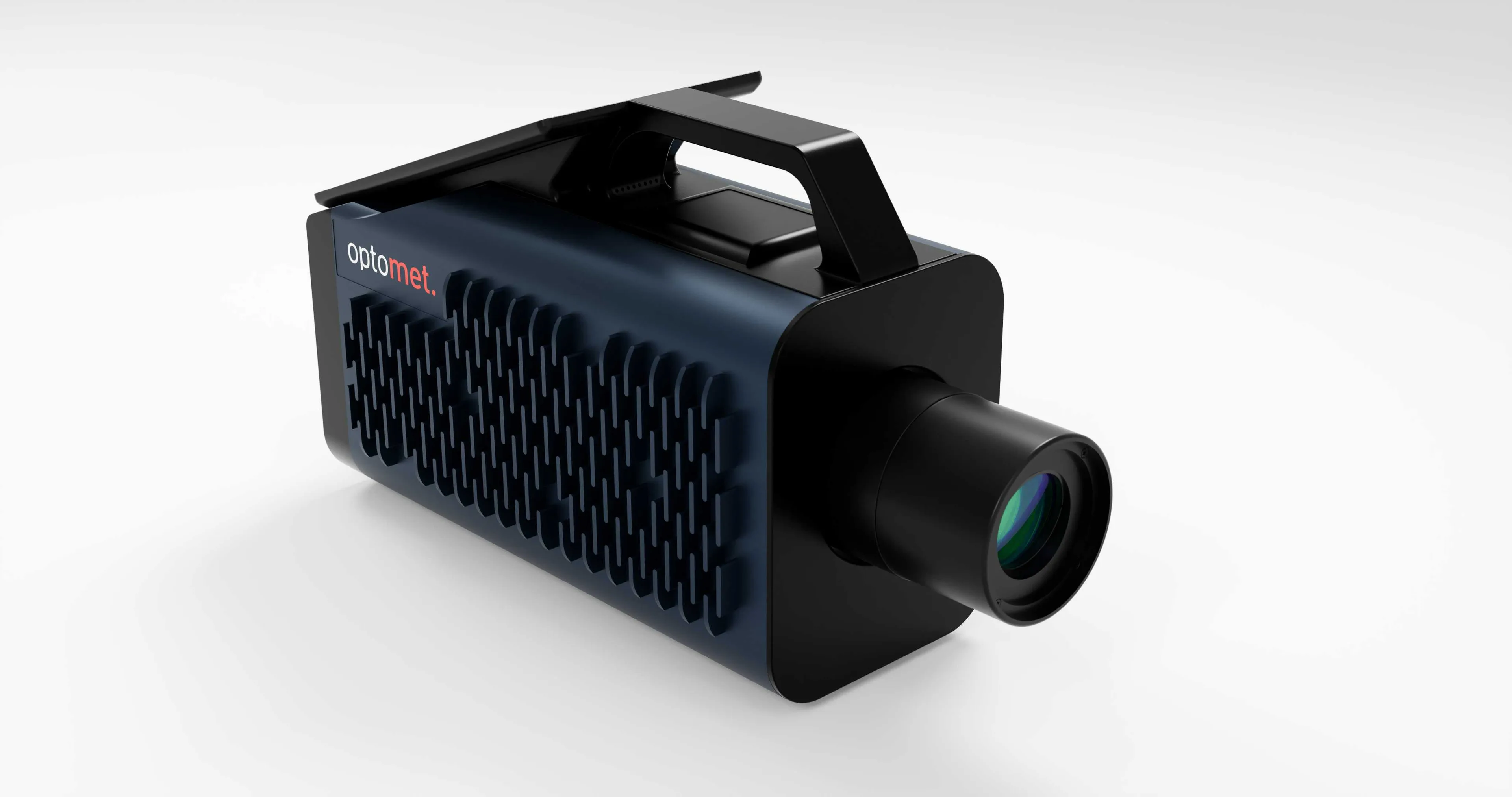
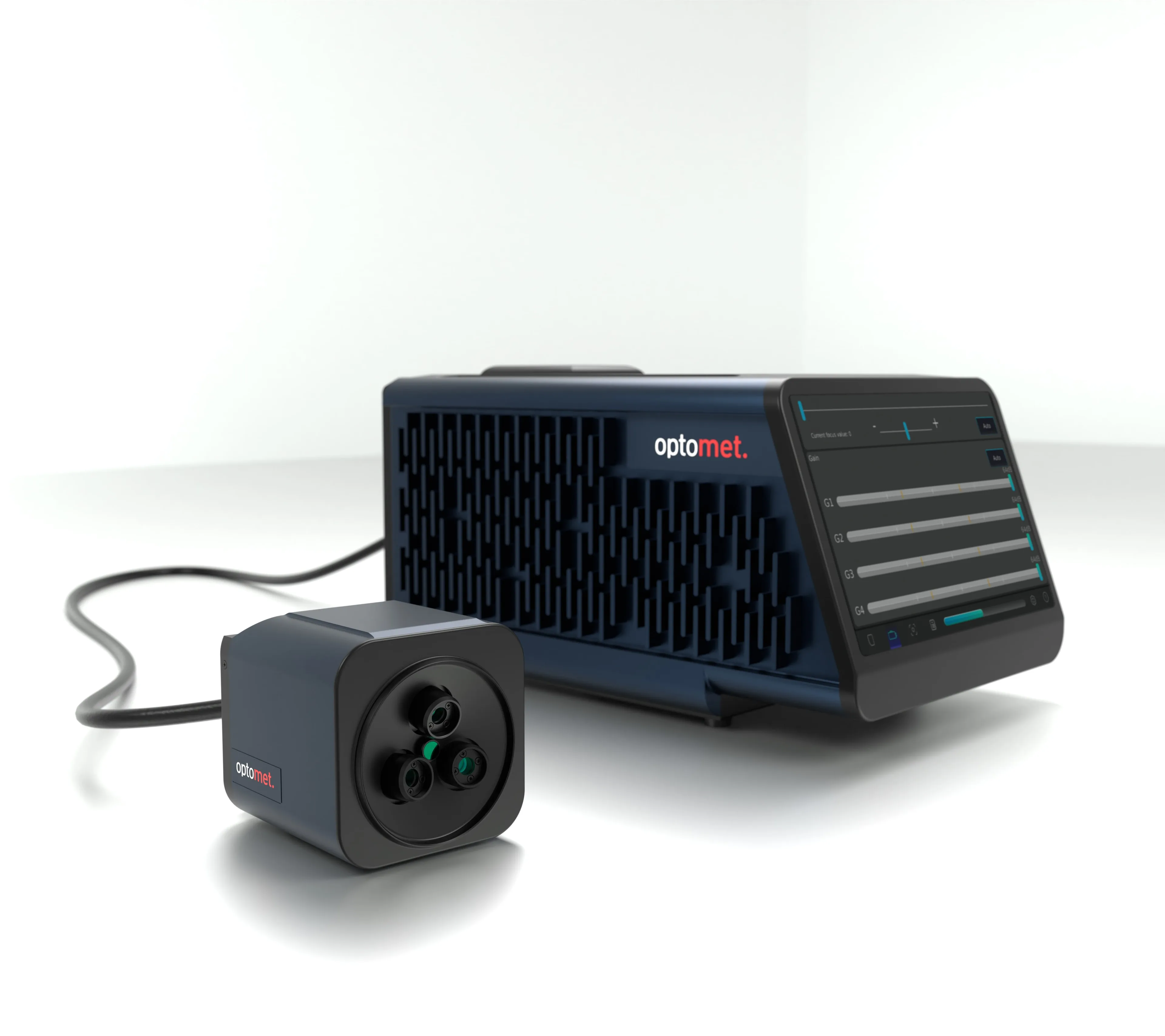
Enhance measurement accuracy by connecting an additional Fiber Head for non-contact reference measurements. This feature enables a wider range of applications and improves the accuracy of your results, particularly in sensitive or hard-to-reach areas.
03
SMART Laser Doppler Vibrometers
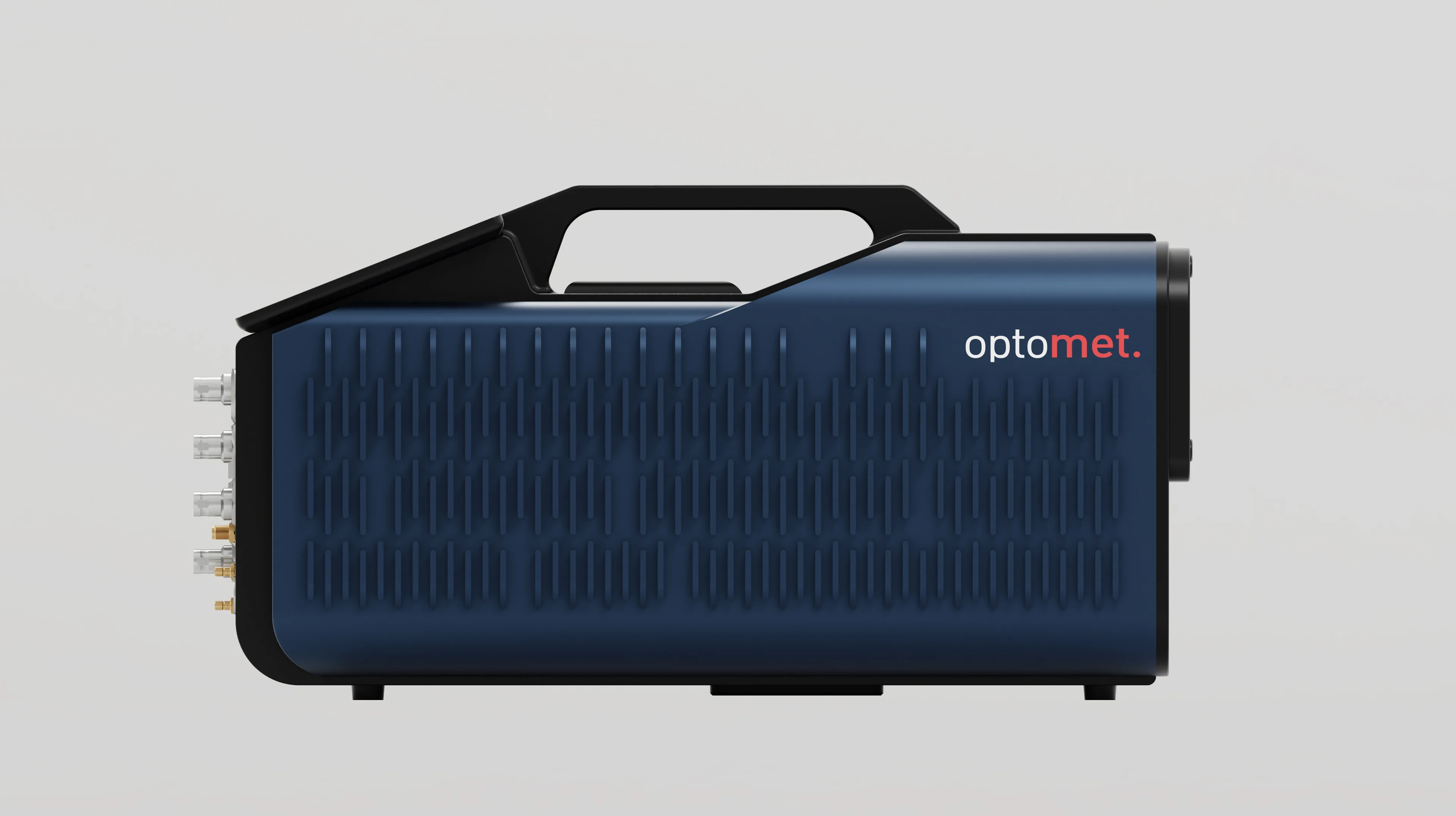
Our SMART laser Doppler vibrometers combine high-precision measurement technology with a modular system architecture for the non-contact characterization of complex vibration phenomena. They deliver reliable, reproducible measurement results and support demanding applications in research, development, and industrial quality assurance.
04
Configure your SMART Scan+
Combine standard equipment and options to build your laser vibrometer.
Frequency bandwidth
Choose one tierUpgrades
Multiple selectionVelocity range
Choose one tierUpgrades
Multiple selectionMeasured quantities
Multiple selection05
Technical data
- Measurement Quantities
- Velocity, displacement, acceleration
- Frequency range
- DC to 50 MHz Freely configurable low-pass filter for velocity, displacement, and acceleration signals
- Max. Speed
- 50 m/s
- Measurement Ranges
- Freely adjustable measurement range limits from 1 mm/s to 50 m/s for velocity, 10 nm–5 m for displacement, and 10 m/s² to 100 million m/s² for acceleration
- Signal Processing
- Digital (FPGA-based)
- Filter
- Low-pass filters defined by a selected frequency range Freely configurable high-pass filter for displacement Tracking filter: on / off
- User Interface
- 7" Full HD+ touchscreen with 1000 nits peak brightness
- Dimensions
- Length × width × height (excluding handle): 365 × 194 × 196 mm
- Weight
- ~ 8.9 kg
- Power Supply
- 100 - 240 V AC (50-60 Hz) or 12 V DC
- Portability
- Convenient all-in-one design for effortless transport and easy setup
- Calibration interval
- Every 24 months (recommended)
- Scan angle
- 50° x 40°, resolution below 0.001°, stability better than 0.001°/h
- Max. scan points/s
- 30
- Camera
- Added: 4K 2160p, 40× hybrid zoom, 20× optical zoom, a viewing angle from 63.7° to 3.2°, and driverless installation.
- Sample size
- Min. < 1 mm², max. > 10 m²
- Working distance
- - Variable working distance from 250 mm to 100 m - With coaxial unit: 111 mm to 1 m - With Close-Up Unit: less than 6.5 mm to 54 mm
- Laser wavelength
- Measurement laser: 1550 nm, targeting laser: 510-530 nm
- Laser safety class
- Measurement laser
- Output power: <10 mW, Class 1
- Targeting laser
- Output power: <1 mW, Class 2
- Objective
- Long range, 100 mm focal length
- Optics
- Automatic and manual focusing
- Operating temperature
- -10 °C to 40 °C
- Storage Temperature
- -10 °C to 65 °C
- Relative Humidity
- Max. 80%, non-condensing
- Remote Control
- - Simultaneous connection and control of multiple vibrometers for reference, multipoint, and 3D vibration measurements
- Measurement Setup
- - Automatic or manual calibration of laser movement against the camera image - Selection of measurement areas based on the loaded 3D models and automatic generation of mesh points
- Data Acquisition
- - Convenient access to all data in a single software application—from vibrometers to multiple reference sensors - Multichannel arbitrary waveform generator for generating predefined signals (sine, sine sweep, square wave, random, etc.) or custom signals from imported .csv or .wav files - Real-time signal analysis and enhancement based on speckle tracking and intelligent averaging
- Measurement Analysis
- - Calculation of various frequency functions: FRF, FFT, auto-spectrum, cross-spectrum, coherence - 3D animation of mode shapes at user-defined frequencies based on FRF and FFT data - Fully customizable display options, including color maps, viewing angles, textured surfaces, etc.
- Data Import/Export
- - Multithreaded export of ODS data, time-domain data, geometry data, all frequency functions, and reference channel data to Universal File Format (.uff), Hierarchical Data Format (.hdf5), and MATLAB® file format (.mat) - Export of time-domain data animations (wave propagation) and selected mode shapes as a high-resolution (up to 4K) video file
- Software options
- Time-domain analysis and animation for visualizing vibration propagation (standard) Modal analysis for insight into the dynamic characteristics of the test object (optional) Basic software maintenance: 1 year of software updates included (standard) Extended software update period (optional)
- Frequency Options
- Frequency 250 kHz — Measures frequencies up to 250 kHz, covering the entire acoustic range and beyond (standard) Frequency 5 MHz — Measures frequencies up to 5 MHz (optional) Frequency 15 MHz — Measures frequencies up to 15 MHz (optional) Frequency 25 MHz — Measures frequencies up to 25 MHz (optional) Frequency 35 MHz — Measures frequencies up to 35 MHz (optional) Frequency 50 MHz — Measures frequencies up to 50 MHz, pushing the limits of what is technologically possible (optional) Frequency Upgrade M — Increases the frequency limit of any option by 500 kHz (optional) Frequency Upgrade L — Increases the frequency limit of any option by 1 MHz (optional) Frequency Upgrade XL — Increases the frequency limit of any option by 5 MHz (optional)
- Velocity Options
- Base — Continuously adjustable velocity measurement range from 10 mm/s to 15 m/s (standard) High Speed — Measures velocities up to 25 m/s (optional) Master — Measures velocities up to 50 m/s (optional) Ultra — Measures velocities up to 50 m/s and provides access to the High Resolution Upgrade, offering a minimum velocity measurement range of 1 mm/s (optional) High Resolution Upgrade — Minimum velocity measurement range of 1 mm/s (optional) Velocity Upgrade M — Increase the maximum velocity of any velocity option by 2.5 m/s (option)
- Measurement Options
- Velocity — Measurement of vibration velocities (standard) Displacement — Measurement of vibration displacement with continuously adjustable ranges from 10 nm to 5 m (optional) Acceleration — Measurement of vibration accelerations with continuously adjustable ranges from 10 m/s² to 100 million m/s² (option)
06
Inputs and outputs
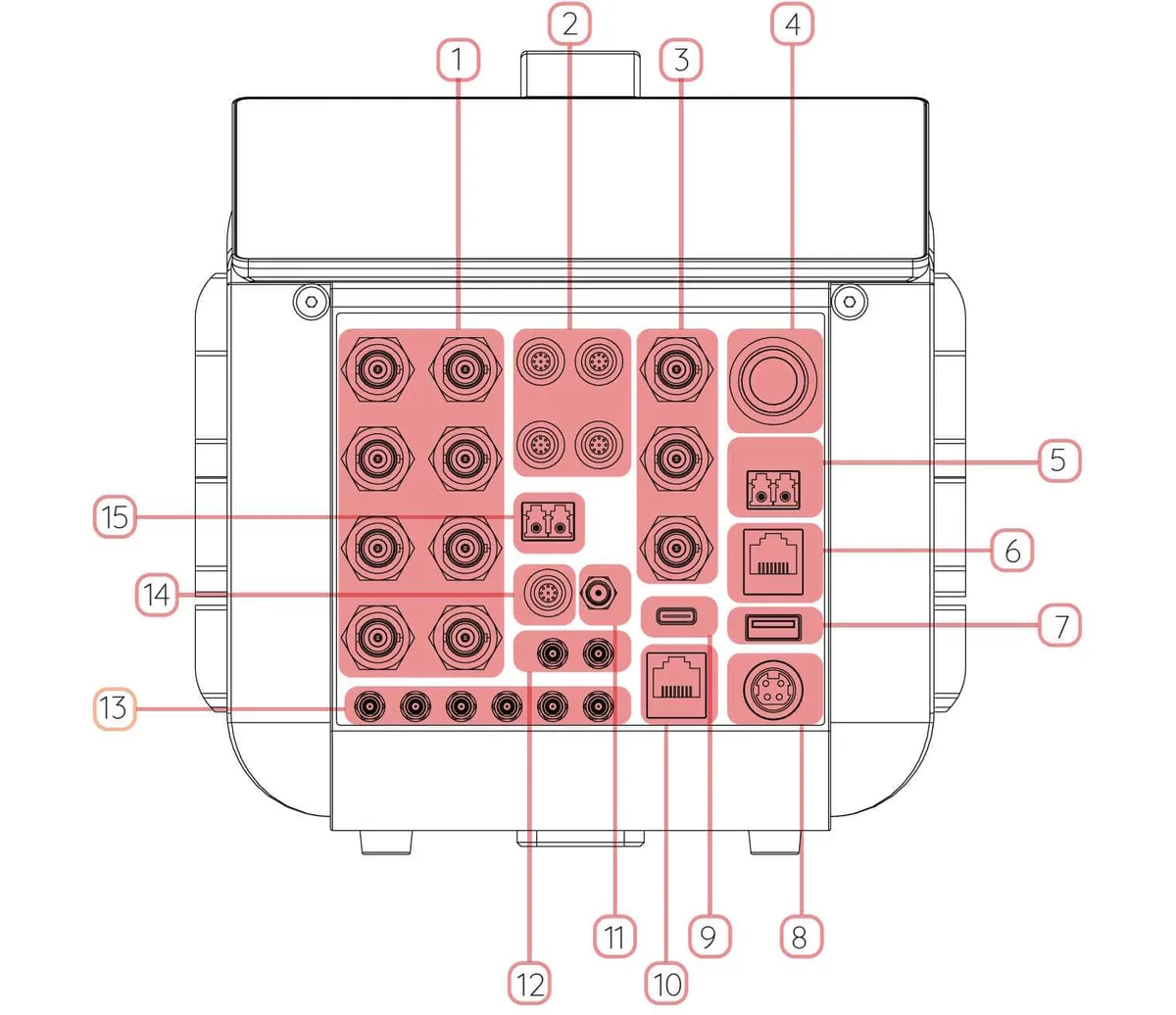
Analog signal outputs (BNC)
LEMO signal inputs (12 channels)
BNC RF signal inputs (up to 50 MHz)
Power button
Optical communication port
Ethernet port: for device communication/data
USB port (Type-A)
Power input
USB port (Type-C)
Ethernet port: for device communication/data
GNSS antenna connector
10 MHz SMB connectors
Multipurpose SMB connectors
Current output
Fiber-optic connector (LC duplex)
07

Tripod with Fluid Head
OptionPrecisely align your vibrometer with high-quality tripods from Manfrotto

Scanning Vibrometer Transport Case
StandardTransport case for scanning vibrometer Durable and waterproof Peli case for the safe storage and transport of the vibrometer External dimensions (L x W x H): 62.5 x 49 x 35 cm

Transport bag
OptionCompact and lightweight transport bag for outdoor measurements

Mirror Set
OptionMirror Set (O) Enables contactless vibration measurements even in hard-to-reach areas. The mirror set includes 4 front surface mirrors.

Ring Light
OptionFor illuminating small test objects. Requires Close-Up Unit.

Coaxial Unit
OptionAligns the optical axes of the measurement laser and camera

Close-Up Unit
OptionFor measurements of small objects at millimeter distances

Protective Window
StandardProtects the scanning unit from dust, wind, and acoustic excitation at high sound pressure levels

IR Detector Card
StandardConverts invisible infrared light into a visible light spot
08
SMART Lab Software
Measurement software for the entire SMART series: synchronized acquisition, time and frequency domain analysis, and 3D model measurements.
SMART Lab Software: One Software for All Devices
Use SMART Lab software with all devices in the SMART series to unlock their full potential. Synchronized data from various devices is processed simultaneously, providing unparalleled flexibility for your measurement setups.
Measurements Supported by 3D Models
Easily measure complex structures with intelligent calibration and simple generation of measurement points. The fully automatic calibration process saves time and costs. Convincing vibration visualizations of complex structures are achieved through seamless animation of measurement data on the 3D models.
Advanced Capture and Analysis
Time and frequency data can be analyzed in real-time, even while the measurement is still ongoing. This allows you to check settings at the start of the measurement process and achieve faster and more reliable results.
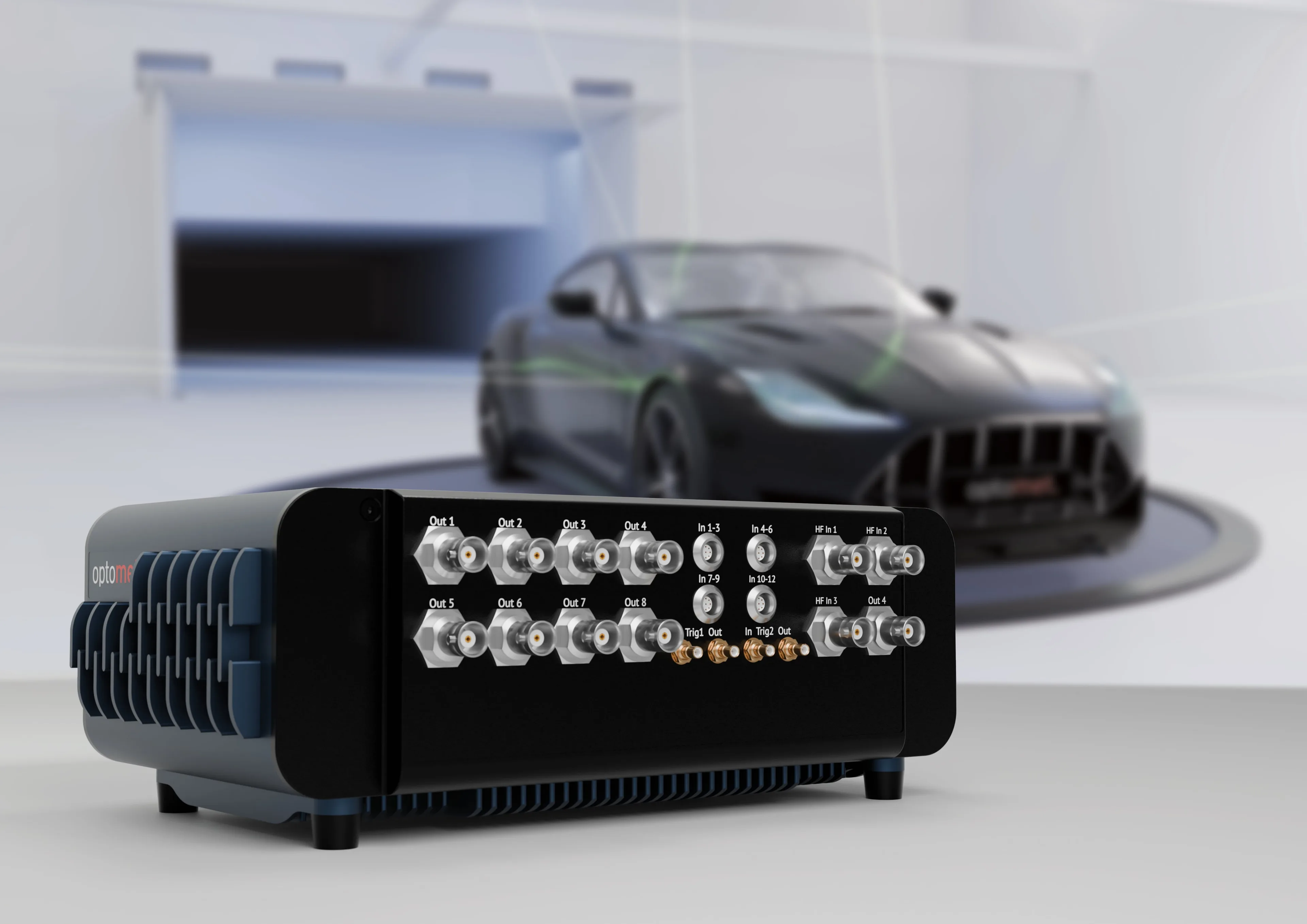
Revolutionizing Surface Vibration Analysis
The new SMART Scan+ combines a scanning laser Doppler vibrometer, a data acquisition unit, and an arbitrary waveform generator in one compact design. It enables researchers and developers to measure vibrations not only at a single point, but across an entire surface with unmatched precision.
By visualizing operational deflection shapes (ODS), wave propagation, and eigenmodes, SMART Scan+ is ideally suited to a broad range of demanding applications. These include validating numerical simulation models (FEM), characterizing dynamic vibration processes, conducting experimental modal analysis, and determining modal parameters.
But SMART Scan+ offers much more: With its intuitive, powerful software, extensive connectivity and data acquisition capabilities, and versatile 7-inch touchscreen display, it is the world's first SMART scanning laser Doppler vibrometer—setting a new standard for fast, precise vibration measurements and unprecedented flexibility.
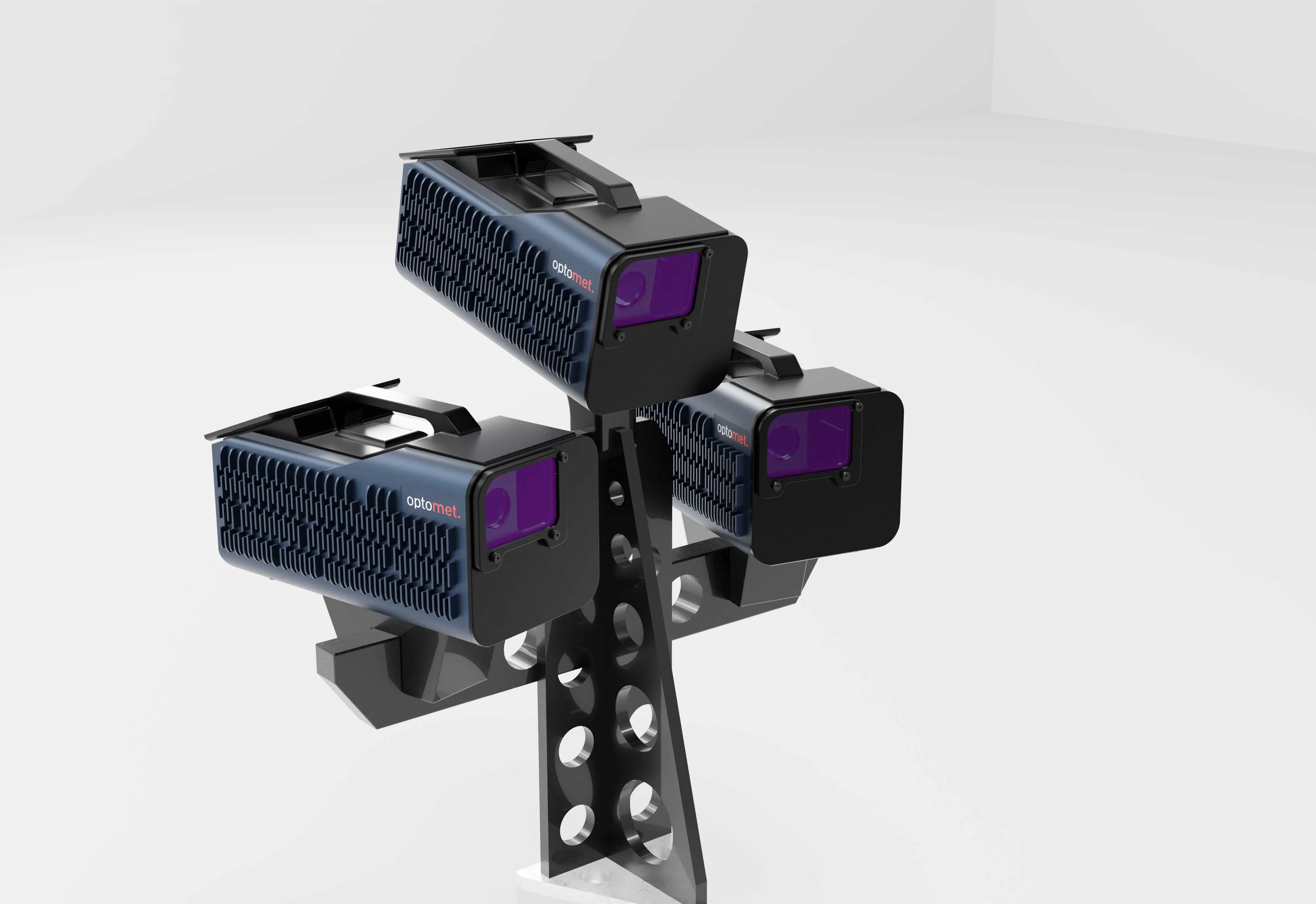
With seamless synchronization across other SMART devices and the option to connect an additional Fiber Head for non-contact reference measurements, SMART Scan+ provides an expandable all-in-one vibration characterization system.
Advanced Measurement Technology with SMART Scan+
SMART Scan+ is a state-of-the-art non-contact vibration visualization system designed for accurate measurements in demanding applications. Its full-field measurement capability makes it possible to visualize vibrations effectively across complex surfaces. With a scanning resolution of less than 0.001° and a frequency bandwidth from DC to 50 MHz, the system sets new standards in measurement technology.
Key Features of the SMART Scan+ System
- Integrated software solutions: The intuitive SMART Lab Software supports the entire measurement process, from setup and data acquisition through to post-processing. Features such as CAD-based area selection and 3D animations enable detailed analyses and results.
- Excellent signal processing: FPGA-based digital processing and adjustable filter options ensure precise results unaffected by environmental influences.
- Compact design: Weighing just 8.2 kg and featuring a 7-inch touchscreen, the system is ideal for mobile applications and straightforward installation. Its design also makes it easy to transport and integrate into existing measurement environments.
Versatile applications for SMART Scan+
The system measures vibration parameters such as velocity, acceleration, and displacement with exceptional accuracy. Typical applications include:
- Research and development: Analysis of the dynamic properties of components and structures. SMART Scan+ enables the validation of complex models and supports design optimization.
- Quality control: Verification of production processes and assurance of material integrity. The detailed measurement data enables a comprehensive assessment of components.
- Modal analysis: Detailed insight into the resonance frequencies and vibration modes of mechanical systems. This helps identify and eliminate weaknesses at an early stage.
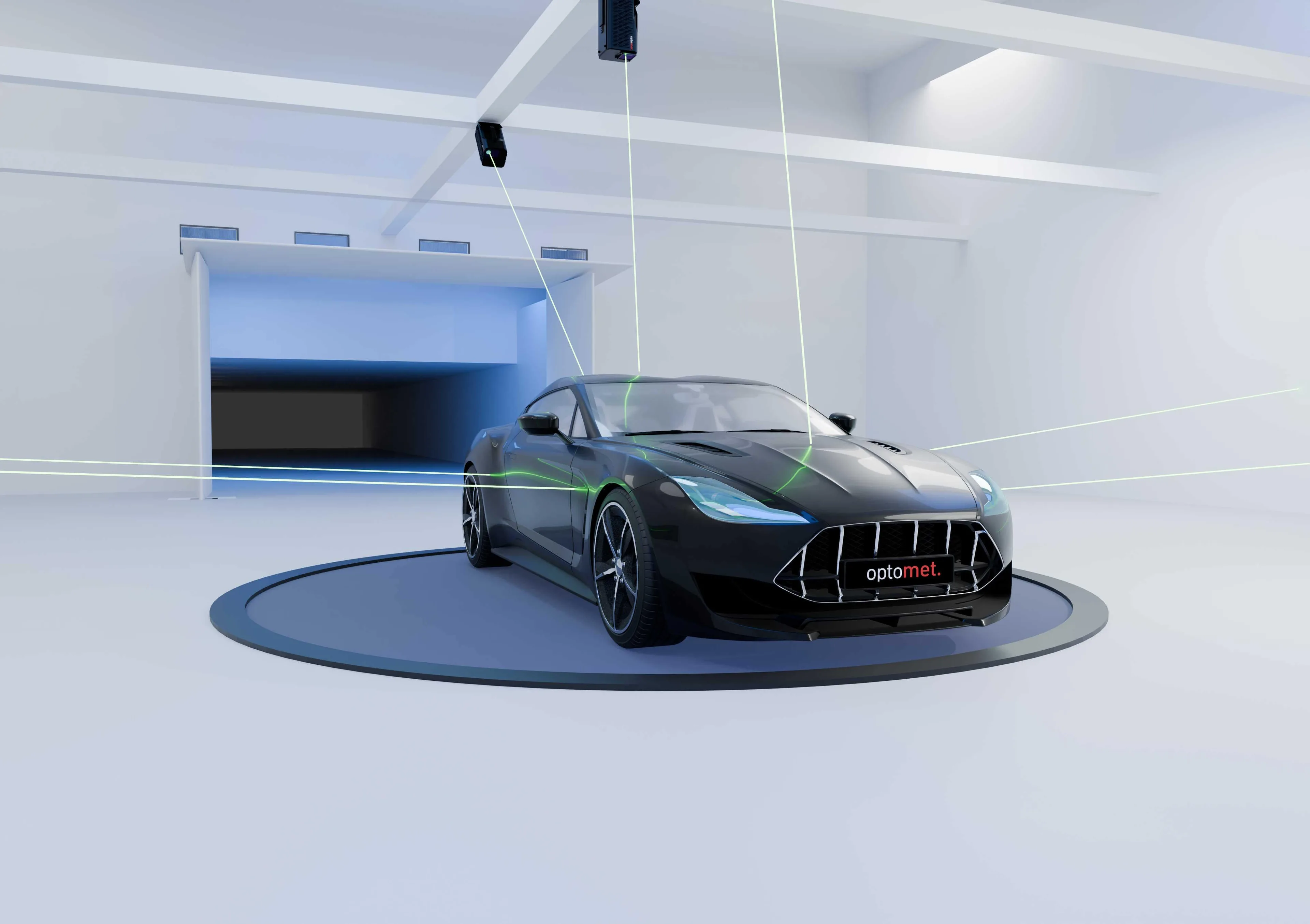
- Automotive and aerospace engineering: Non-contact measurements on components such as vehicle bodies, airfoils, or drive systems help optimize efficiency and safety.
Precision combined with ease of use
Whether used for industrial applications or scientific research, SMART Scan+ delivers maximum precision and ease of use. With a measurement range of up to 50 m/s and the ability to visualize even the smallest surface vibrations, it sets new standards in vibration measurement technology. User-friendly interfaces make it easy to analyze and export data. Its highly flexible measurement range—from just a few nanometers to large structural movements—makes the system suitable for a wide variety of applications.
Advanced features for specialized applications
SMART Scan+ expands the capabilities of vibration analysis with powerful tools for visualizing wave propagation, operational deflection shapes (ODS), and frequency spectra. Direct CAD data integration enables precise definition of measurement points and areas as well as efficient preparation of complex measurement tasks. Comprehensive trigger and synchronization functions ensure precise timing coordination of measurement sequences and enable the reliable operation of synchronized multi-device measurement systems.

Vibration measurement in research, development and industry – Optomet offers the right solution for your requirements.
Contact